“For Ruth Wilson Gilmore: “Racism is the state-sanctioned and/or extralegal production and exploitation of group differentiated vulnerabilities to premature (social, civil and/or corporeal) death.” What is the difference between this and slavery? What is, so to speak, the object of abolition? Not so much the abolition of prisons but the abolition of a society that could have prisons, that could have slavery, that could have the wage, and therefore not abolition as the elimination of anything but abolition as the founding of a new society. The object of abolition then would have a resemblance to communism that would be, to return to Spivak, uncanny. The uncanny that disturbs the critical going on above it, the professional going on without it, the uncanny that one can sense in prophecy, the strangely known moment, the gathering content, of a cadence, and the uncanny that one can sense in cooperation, the secret once called solidarity.”
en «The Undercommons» de Fred Moten y Stefano Harney
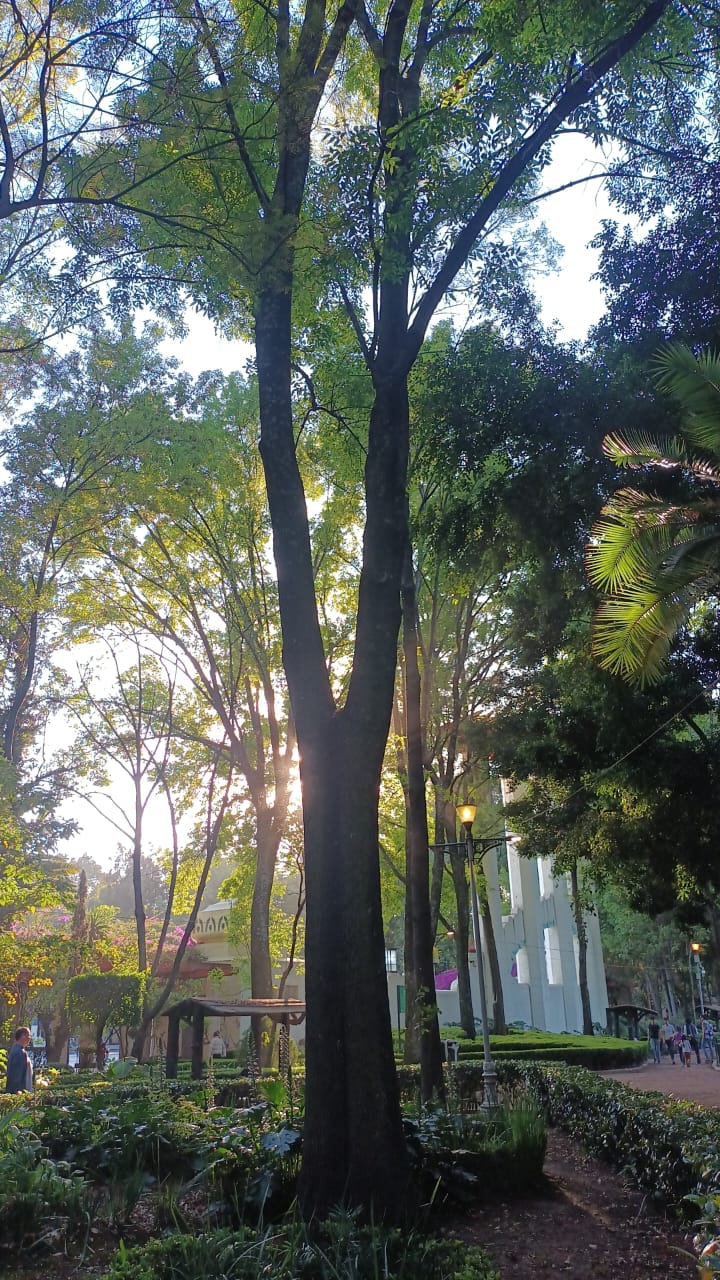
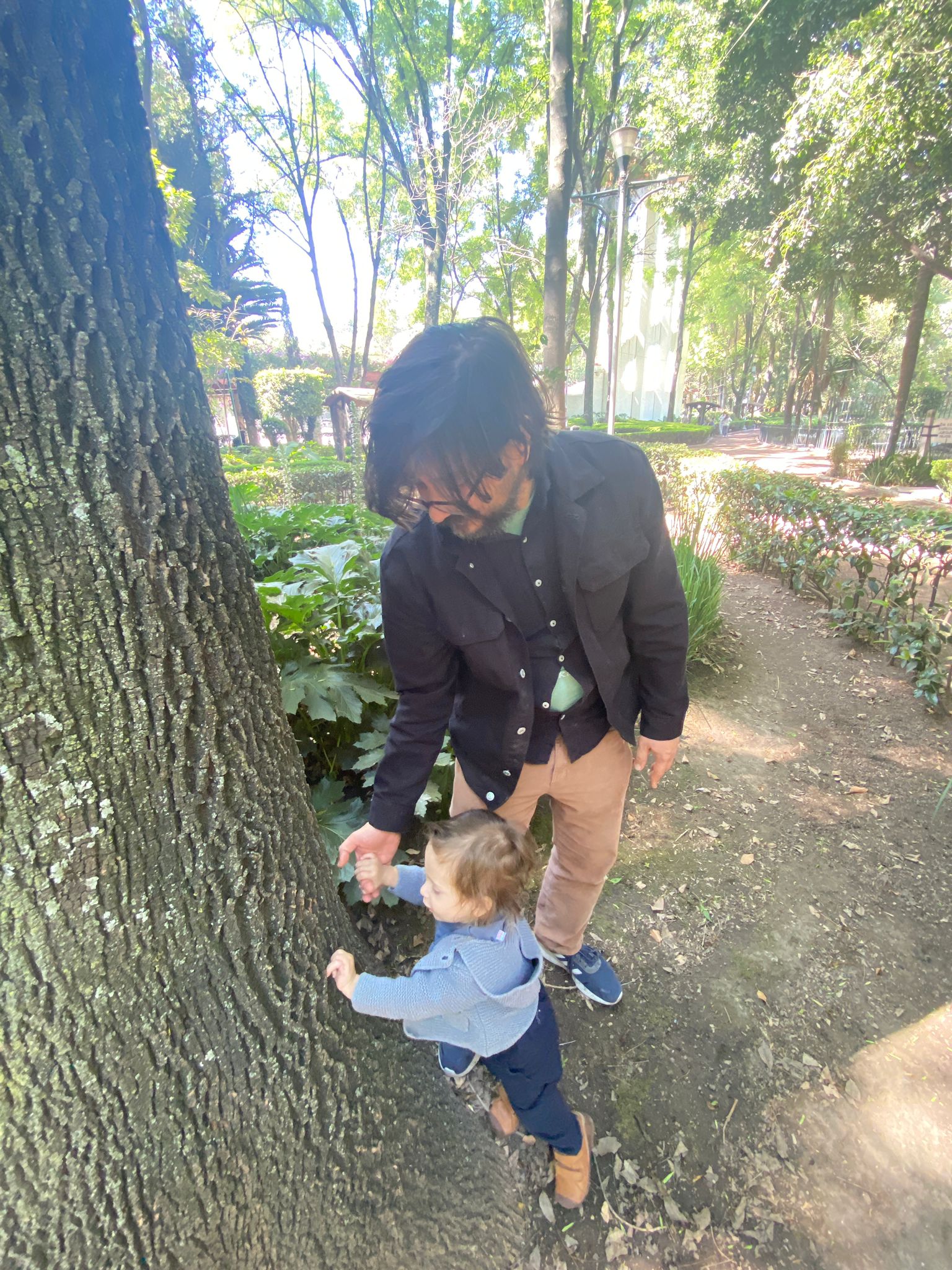
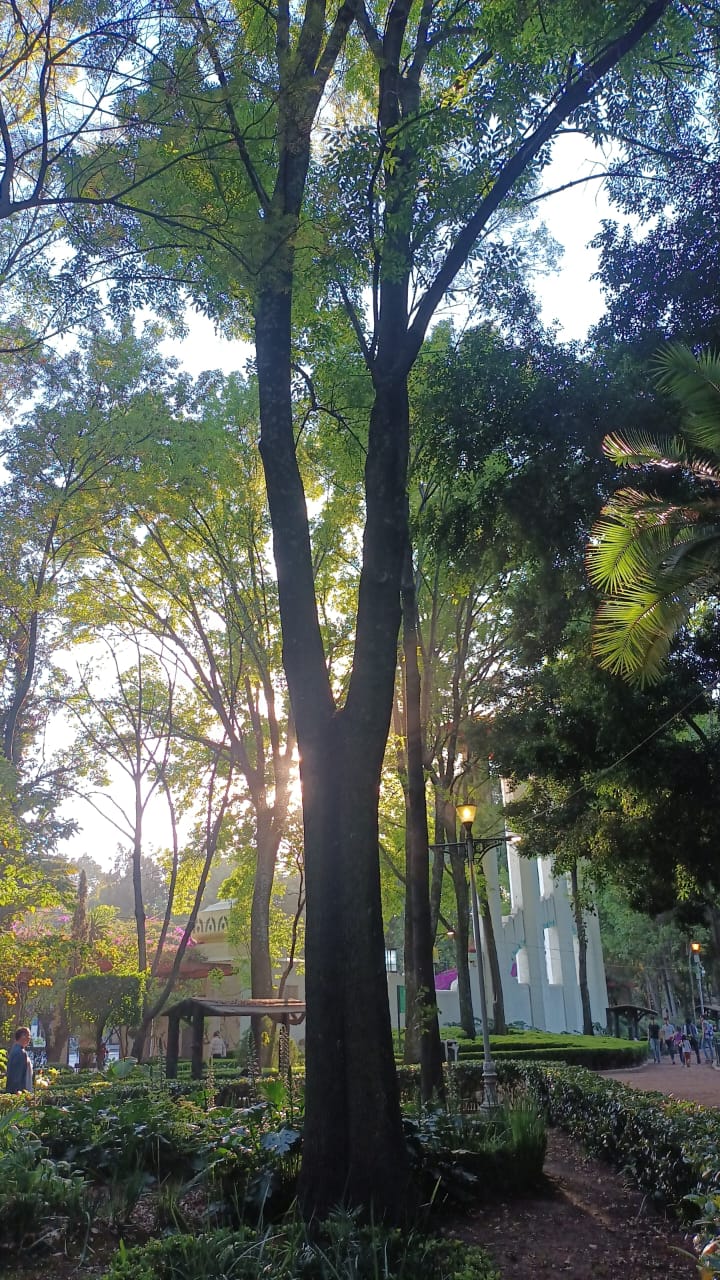
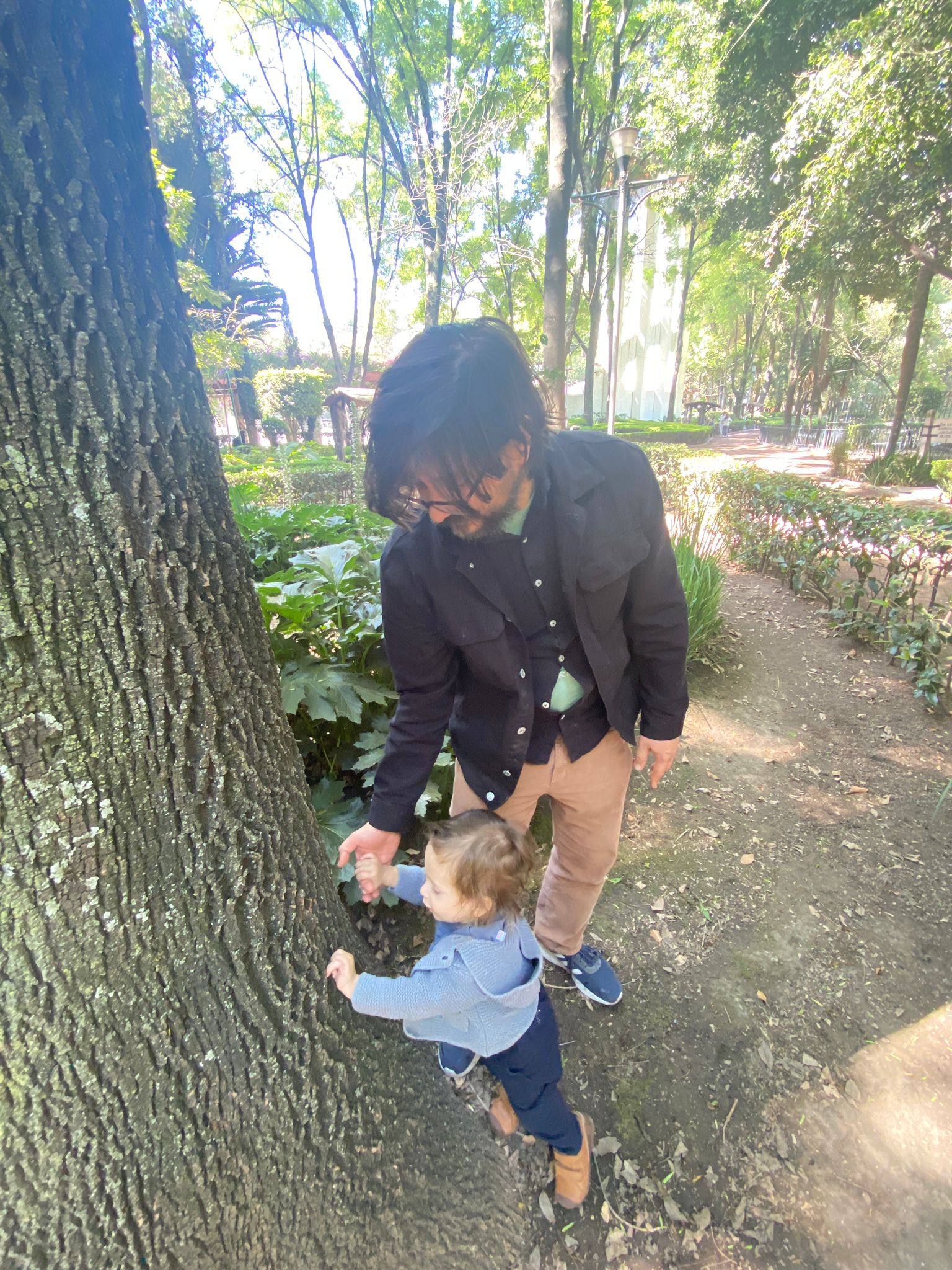
Mayra Roffe Gutman, my partner, died on February 8, 2023. On Thursday, February 9, she was cremated. Mayra had asked us to choose a tree in Parque México, near the duck pond, where our son, Ilai, could go to remember her. Parque México was always one of her favorite places. There she learned to ride her bike and had a tree that she said was her home. Many times she told me how, as a child, she would cross the park to go from her mom’s apartment to her dad’s, or back; and the excitement she got from the activities offered there on Sundays, such as painting pottery. Even though it was not the closest park to our house, she often preferred to go there. At her request, we went to that same park to see the ducks and eat potato chips a few weeks before she passed away. To get to the tree we chose, if you are facing the duck pond, and behind you is the Lindbergh Forum, you have to walk to your right. When the path forks, take a left. In front of the bench that appears almost immediately, there is a young tree with a very green top.
Thanks to those who have written to my whats, email or facebook. I’m sorry I can’t answer all your messages. I have received them with love. As I have told many people, when May was told she had cancer we made an agreement to be happy despite how difficult it might become. We also agreed that we would not allow the intolerable side of the treatment to become tolerable. Despite the cancer, we were very happy for a year and eight months. Mayra had an incurable cancer and we knew that death was around. The last four months of treatment the cancer progressed and what we feared happened. The health effects of this process took a good part of our lives. Despite this, when she found some energy, she never stopped joking, laughing or hugging Ilai. Palliative care medications made the last two months lighter, but cancer did not stop. Two days after she told us she no longer wanted to continue with the treatment, Mayra died. At home we are in peace with the fact that the intolerable is over and she was able to rest. For me it is important to know that she was able to die when she decided it was time for that to happen. I feel that Mayra left us a heritage in which dignity is a synonym of joy.
Rest in all your strength and rejoice, precious Patitas.
Mayra Roffe Gutman, mi pareja, murió el pasado 8 de febrero del 2023. El jueves 9 de febrero cremaron su cuerpo. Mayra nos había pedido que escogiéramos un árbol en el Parque México, cerca del estanque de los patos, al que nuestro hijo, Ilai, pudiera ir para recordarla. El Parque México siempre fue uno de sus lugares favoritos. Ahí aprendió a andar en bicicleta y tenía un árbol que decía era su casa. Muchas veces me contó cómo, de niña, lo cruzaba para ir del departamento de su mamá al de su papá, o de vuelta, y la emoción que le daban las actividades que ahí se ofrecían los domingos, como pintar cerámicas. A pesar de que no era el parque más cercano a nuestro hogar, a menudo prefería ir ahí. Por petición de ella, a ese mismo parque fuimos a ver a los patos y a comer papas fritas unas semanas antes de que falleciera. Para llegar al árbol que elegimos, si están mirando de frente hacia el estanque de los patos, y a sus espaldas se encuentra el Foro Lindbergh, tienen que caminar hacia su derecha. Cuando el camino se bifurca, toman a la izquierda. Frente a la banca que aparece casi de inmediato hay un árbol joven y con una copa muy verde.
Si les apetece recordarla pueden darse una vuelta por ahí.
Gracias a quienes me han escrito a mi whats, a mi mail o al facebook. Perdón que no pueda responder todos sus mensajes. Los he recibido con cariño. Como le he contado a muchas personas, cuando le dijeron a May que tenía cáncer hicimos un acuerdo de estar alegres a pesar de lo difícil que pudiera llegar a ser. También acordamos que no permitiríamos que la cara intolerable del tratamiento se volviera tolerable. A pesar del cáncer, fuimos muy felices por un año y ocho meses. Mayra tenía un cáncer incurable y sabíamos que la muerte la rondaba. Los últimos cuatro meses del tratamiento la enfermedad avanzó y eso que temíamos sucedió. Los efectos en su salud de este proceso tomaron buena parte de nuestra vidas. A pesar de ello, cuando encontraba algo de energía, nunca dejó de bromear, comer, reír o abrazar a Ilai. Los medicamentos de cuidados paliativos le hicieron el último mes y medio más ligeros, pero el cáncer no se detuvo. Dos días después que nos dijera que ya no quería seguir con el tratamiento, Mayra murió. Un día antes me dijo que ya quería irse. En casa estamos tranquilos de que lo intolerable se acabó y ella pudo descansar. A mí me da tranquilidad que, cuando lo decidió, pudo morir. Siento que Mayra nos dejó una herencia en la que la dignidad coincide con la alegría.
Descansa, en toda tu fuerza y regocijo, Patitas preciosa.
El texto lo escribí para el catálogo del festival Fotoseptiembre, en el Centro de la imagen, que está por publicarse. Para mi las líneas a continuación son una semilla, espero que en un futuro crezcan. El ensayo puede leer aquí:
«Technological innovations in medical science, social media biotechnology, life extensions that fuse biology and technology have led to an unprecedented degree of intimacy and dependence between flesh and machine. Also, Ning De-Eknamkul points out that ‘The changing relationship between man and machine defines the thinking machine’ (2016: 60). This change in relationship is also manifest in fiction for children as the selected texts provide scope to deal with the ideas of thinking machines – a type of mechanical device thought to be capable of replicating human bodily motions, as well as function of human thought (Lausa, 2009: 5). This paper discusses how children’s fiction presents child readers alternative ways of imagining interconnectedness between human and the machine that is suggestive of the cybernetic ontology.
Dan Gutman’s Homework Machine (2006) and its sequel Return of the Homework Machine (2009) are examples of burgeoning ubiquity of technology in the lives of children and how in their everyday use of technology they derive pleasure and entertainment from it. They also engage with the complexity of technology with respect to the moral and ethical implications of the use to which it is put to. The narrative of the Homework Machine revolves around a group of fifth graders who come together because of a machine code named- ‘Belch’ that does their homework for them.»
«En total, once esturiones blanco, una especie en peligro de extinción, murieron de manera misteriosa en un corto periodo de tiempo sorprendiendo a los biólogos que intentan salvar a un pez que se tambalea hacia la extinción»
“No estábamos interesados simplemente en tomar una postura crítica, como si siendo investigadores/artistas universitarios estuviéramos situados fuera de la situación y no estuviéramos participando en la nueva economía y, a nuestro propio modo, sacando beneficio de ella. Queríamos trabajar en el meollo de las tensiones —creativas, institucionales, urbanas, económicas— y construir a partir de ellas.
Estábamos buscando habitar de otra manera, practicar lo que llamamos, siguiendo a Gilles Deleuze y Félix Guattari, una crítica “inmanente.” Una crítica inmanente se compromete con nuevos procesos más que con nuevos productos, y lo hace desde un ángulo constructivista. Busca energetizar nuevos modos de actividad, ya en estado germinal, que pueden ofrecer un potencial para escapar o desbordar las canalizaciones pre-establecidas hacia el sistema de valores dominante. La estrategia de crítica inmanente consiste en habitar las complicidades que nos componen y “hacer que se conviertan en otra cosa”
SOBRE CRÍTICA. VISUALIDAD. ESCRITURA. POEMA: ENCUENTROS; Un objeto, una cosa. Nos sentamos frente a él. Lo interrogamos: él nos dice algo. El desmontaje es en tiempo ahora: Una crítica de voces. Una crítica de imágenes. Recuerdos. Flashazos.
 bordarretazos